State Attorney General: “See You in Court, Mr. President”
By Rick Langenberg
Efforts to prepare for the upcoming November election got hit with a judicial torpedo last week that could eventually gut Colorado’s mail-in ballot process.
This could have major impacts for Teller and El Paso counties, where this system has generated high voter participation in many local, state and federal contests in the last decade.
But for the forthcoming Nov. elections, clerk officials across the state are receiving the green light and resisting any changes in departing from the status quo system. However, the long-term picture of how elections are handled across the state and in Teller County could vastly change.
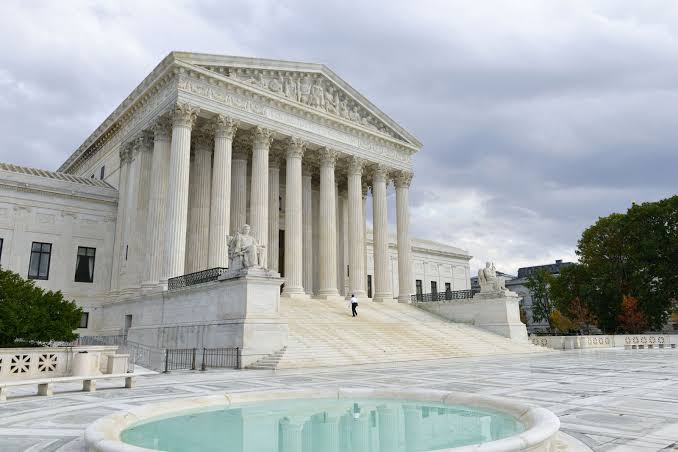
The U.S. Supreme Court by a 6-3 decision opened the door for President Donald Trump’s plan to kill mail ballots or at least add more rules requiring more federal scrutiny pertaining to whom can legally vote. However, the implementation of the high court’s decision is raising major question marks. In fact, the heavily Republican-backed high court bench may just have delayed an ultimate verdict on the fate of the mail-in ballot process.
In essence, political insiders say the decision, while serving as a victory for the president, mainly concluded that states that earlier sought actions against Trump’s executive move to eliminate or limit the use of mail ballots, such as Colorado, may have acted too soon, and needed to wait until formal and detailed election orders were issued.
Still, Colorado officials are outraged over the Supreme Court action and have vowed to fight against efforts to change current election practices, citing these moves as a threat to democracy.
Attorney General Phil Weiser, the Democratic nominee in the upcoming Colorado governor’s race, had one basic reply: “See you in court, Mr. President.”
“We are 71 days away from Election Day and the Supreme Court is giving too wide a berth to an administration that clearly intends to engage in electoral mischief and block citizens’ freedom to vote,” said Weiser. “This is no time to create chaos and uncertainty with unconstitutional election rules. Colorado relies on mail ballots, and I will use every legal tool I have to prevent the federal government from implementing any unlawful actions arising from the president’s unconstitutional executive order. The Supreme Court may have dodged the merits of the federal government’s actions today, but those claims will have their day in court. We all must be vigilant and keep fighting for the freedom to vote.”
His comments mirrored those of one of the dissenting justices in the ruling, who also worried about the confusion this could create.
According to a CNN report, Supreme Court Justice Ketanji Brown Jackson, one of the few liberal voices on the panel, wrote a lengthy dissent argument that bashed how the ruling “needlessly injects chaos and uncertainty into the upcoming midterm elections.” Moreover, she described the decision as creating a “Kafkaesque nightmare.”
She described what she saw as an inconsistent approach by the conservative majority when it comes to the timing of challenges to election policies, describing the precedent as a “Kafkaesque nightmare.”
Colorado Secretary of State Jena Griswold, in several television interviews, echoed similar sentiments, and worries about the confusion this ruling could create. She views Trump’s original executive order against mail ballots as attempting to thwart democracy by screening who can vote in future elections.
Colorado state and local officials have praised mail-in voting for increasing participation and convenience. In Teller County, however, the term “mail” can be misleading because most voters return ballots through secure, 24/7 drop boxes, stationed at various locations, rather than through the United States Postal Service.
Teller County Clerk and Recorder Stephanie Kees, a big supporter of the mail-in ballot process, stated that many voters locally don’t use the postal service for returning their ballots. She contends that under the constitution, states have the authority to run elections and not the federal government.
But under the Supreme Court ruling, the path could be clearer for more federal rules, such as those requiring the states to submit to the feds a list of legal, registered voters, who must be American citizens. This list would then be reviewed by the Department of Homeland Security and sent to the United States Postal Service. Only those people listed by the feds would receive ballots.