
Update: This bill has since been postponed indefinitely.
Teller Sheriff Ready to Gun Down Controversial Legislation; Cites an Increase in Human Trafficking
Trevor Phipps
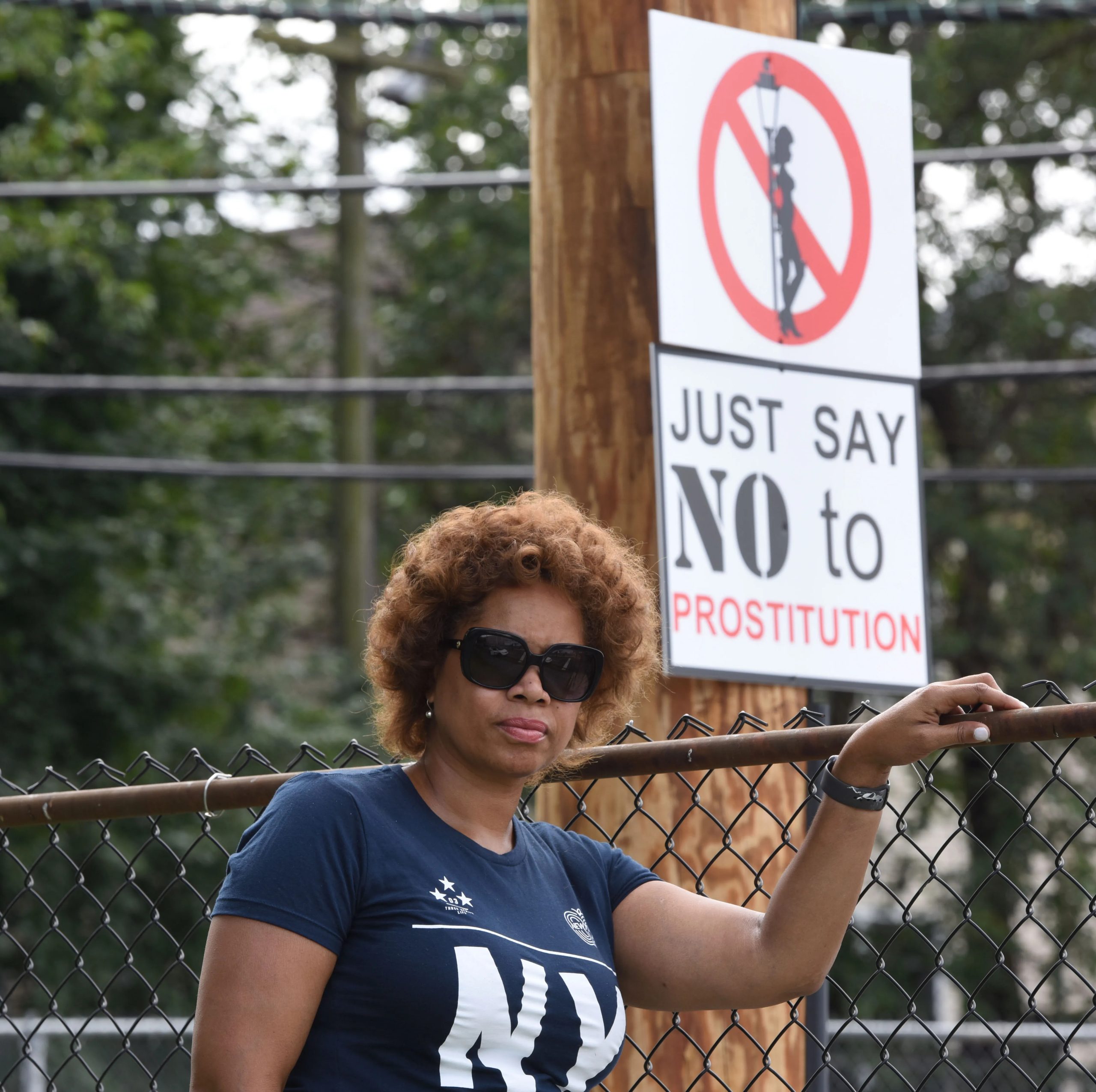
Even before state lawmakers had the chance to debate a newly proposed legislative bill aimed at decriminalizing prostitution, the effort created quite a stir, especially in Teller County.
For weeks, the heavily contested pro-prostitution Senate Bill, SB 26-097, has become the talk of the town. Go to any restaurant, coffee shop or bar in Teller County or across the state, more discussion appears to center on the bill to legalize Colorado’s oldest profession than the raging conflict in the Middle East.
Originally introduced to reduce the negative effects sex workers face with the state’s current prostitution laws, opponents contend that it would cause an increase in crime statewide.
On Feb. 11, State Senators Nick Hinrichsen, D-Pueblo and Lisa Cutter, D-Evergreen introduced the measure, titled “Decriminalize Adult Commercial Sexual Activity.” In a nutshell, the bill would remove all criminal penalties for prostitution and soliciting prostitution across the state.
As soon as the bill that was sponsored by four Democrats was introduced, it was assigned to the Senate’s Judiciary Committee. And while it has still not come up for debate at the committee level, a number of lawmakers and law enforcement leaders, including Teller County Sheriff Jason Mikesell who is running for governor, have already voiced strong opinions against the bill’s passage. Plus, prior to its introduction, the city of Woodland Park, became one of the first minimalities to oppose SG 26-097.
Three sheriffs in the Pikes Peak region sheriffs have made statements, saying that they oppose the prostitution bill. Not only do they think that if the bill is passed crime will get worse, all three pointed to specific issues passing the bill into law would create.
El Paso County Sheriff Joseph Roybal said that the bill would make it tougher for law enforcement agencies to do their jobs. “Collectively, these repeals would significantly reduce law enforcement’s ability to intervene in situations frequently intertwined with human trafficking, exploitation, organized crime, drug activity, and violence against vulnerable individuals,” Roybal said in an Op-ed published on the sheriff’s website.
Roybal said that through his 30-plus years of experience in law enforcement, he has noticed that human trafficking and prostitution go hand in hand. “Although under SB26-097, penalties remain for overt pimping and intimidation, such cases already rank among the most difficult to prove,” Roybal continued. “Once prostitution is legal, establishing coercion beyond a reasonable doubt becomes even more challenging. Traffickers understand this reality and would adapt quickly, hiding behind claims of ‘consensual’ activity while pressuring victims on what to say.”
Local Opposition Ignites from the Get-go
As soon as the bill was introduced, Woodland Park became one of three cities that promptly registered in opposition to the bill through the Colorado Secretary of State’s Office. Then on Feb. 25, Mikesell posted a lengthy statement on the sheriff’s social media pages, sternly opposing SB 26-097.
The sheriff said that the demand for illegal prostitution will still exist even if it is made legal. “Upon legalization of prostitution, the state legislature will create taxes and regulations that will significantly increase prostitution prices,” Mikesell’s post stated. “Current regulation and taxation in more mundane sectors such as housing and construction shows that the Colorado legislature is not concerned at the lack of attainability created by its overreach. The same will apply to prostitution.”
Mikesell also mentioned the stipulation in the bill that states that those who participate in legal prostitution must put their names and list of services received into public record. “The Impulse Control Disorder created by the availability and proximity of the potential sexual acts will drive customers to obtain the services they crave by illegal means in which they are not required to create a record that could be made available to the public or the government,” Mikesell further explained
The gubernatorial candidate believes that legal prostitution could serve as a “Welcome” sign for more human trafficking cases and organized crime as a whole. “With the significant increase in profits from illegal prostitution, Colorado will become very attractive to organized crime,” Mikesell stated. “Human trafficking into Colorado will become even more lucrative as illegal prostitution providers import their most attractive sex workers from areas outside Colorado. These areas may be from within the United States in which attractive women and girls may be abducted, or it may be from outside the United States with traffickers using practices already in place.”
In his campaign for governor, the Teller sheriff has outlined a pledge to significantly reduce crime in Colorado. He sees this bill as a major obstacle in achieving this goal.
Douglas County Sheriff Darren Weekly also agreed with the other two sheriffs that legalizing prostitution would make Colorado even a bigger magnet for illegal human trafficking operations.
Successful Models to Follow
Proponents of the measure, though, aren’t ready to wave the white flag.
State Senator Nick Hinrichsen, one of the main sponsors, has stuck to his guns, saying the bill proposes an approach to prostitution used in countries such as Australia and Belgium. Moreover, they cite a very successful model under this approach, for sex workers and overall health. “Based on evidence that has gone into scientific journals and the experiences that have been communicated to me by individuals who are impacted, I’m convinced that the outcomes would be safer, they would be healthier, they would be more affirming of privacy and autonomy, and individuals who are involved in sex work would have better opportunities to leave sex work,” he said, according to Colorado Politics. “I would hope that, even if you are staunchly morally opposed to prostitution, that those are outcomes that you would want for the individuals that are engaged in it.”
If the legislation is approved, Colorado would become only the second state in the country to decriminalize prostitution.
The big question that could ultimately seal the bill’s fate: Will this legislation gain support by state Democrats, who control both the state House and Senate and the governor’s office.