

Despite Some Skepticism, Innovative Wildlife Program Touted as Major Success
Trevor Phipps
Photos By Cindy Valade
“Freedom lies in being bold.”― Robert Frost
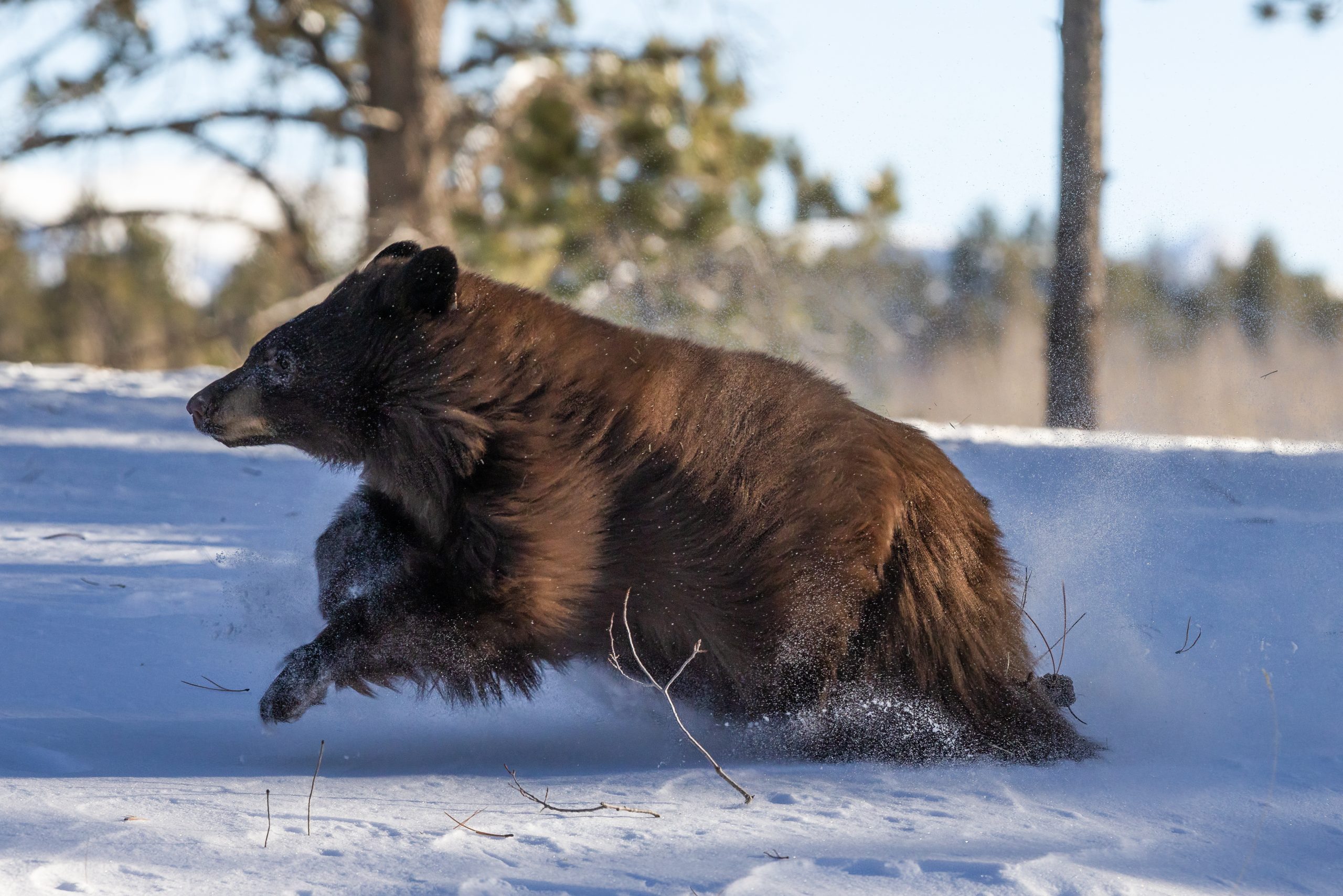
After being held in captivity for the majority of their childhood, five bear cubs recently got their first taste of freedom.
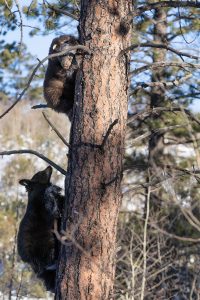
Once their cage was opened, the bears didn’t hesitate and quickly went to roaming around and climbing up a giant tree. The sight was touted as a major win for wildlife conservation, with the hope that these animals will live long and healthy lives.
Sometimes when wild animals interact with their neighboring human population, things can go wrong. And unfortunately, many bears are the ones who usually have to pay the price. More often than not, they are given a death sentence, usually because of the stupidity and carelessness of area residents and visitors. In fact, reported bear sightings and possible conflicts with the wild animals in Colorado have escalated dramatically in 2025 with more than 5,200 reports, according to wildlife officials, forcing authorities to intervene. This has raised questions about the plight of orphaned cubs.
When bear cubs are young, they need to be protected by their mothers for the first year before they can safely roam free. But in some situations when the sow gets removed from her cubs, the Colorado Division of Parks and Wildlife (CPW) has to intervene for the safety of the cubs.
According to CPW, the agency has a policy that when a female bear breaks into a habited home, the bear must be euthanized. And once CPW officials euthanize the mother bear, they then try to take the orphaned bear cubs to a rehabilitation facility.
Last July, three bear cubs were orphaned and had to be taken down from a tree in the Broadmoor neighborhood in Colorado Springs. Then in August, another two bear cub siblings also had to be taken in after an incident that occurred west of Woodland Park.
CPW officials were able to capture the bears and send them to CPW’s Frisco Creek Wildlife Rehabilitation Facility near Del Norte located in the San Luis Valley in southern Colorado. The team at the rehab center then cares for them and teaches them skills to survive in the wild on their own. Once the wildlife experts feel they are ready, they can then be re-released into their native habitat.
On Dec. 4, CPW released a total of five bear cubs (three from the Broadmoor incident and two from near Woodland Park). The officials said that they searched the Pikes Peak region for areas that contained a prime bear habitat. They ended up picking an undisclosed location in southwest Teller County where they released the two siblings and northwest Teller where they released the other three.
A Year’s Worth of Effort Pays Off
Over the past few months, caretakers at the facility have been working hard to get them to the point where they could go back to their natural homes. The bears were fed well and weighed between 80 and 100 pounds before they were released.
The facility, where the bears were located, was a licensed wildlife rehab center associated with CPW. “They are making sure that they are getting natural foods, things that they are going to be able to find on the landscape,” Travis Sauder, assistant wildlife manager at CPW said. “But then they also make sure that they are not becoming human-conditioned. They are not going to be comfortable around people. They are not going to look back to those places that got them in trouble in the first place.”
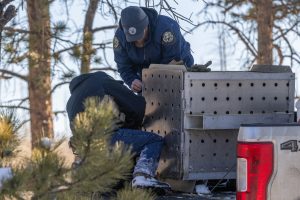
In addition to their rehab, the Cheyenne Mountain Zoo also provided GPS ear tags for two of the released bear cubs. CPW will now be able to monitor their movements after their release.
“It’s going to give us a lot of really great information,” Sauder explained. “When do they go into their den? When do they come out in the spring? Where do they go? How do they move about the landscape? And at the end of the day, what’s the overall success of this program?”
The CPW officials said that they specifically chose this time of year (late fall season) to release the bears. According to CPW officials, the black bears in Colorado do not actually hibernate, instead they go into a deep sleep state called “torpor” where their movements are reduced, but they may leave their dens once a week or so.
For several days leading up to their release, the rehabilitators have fed the bears less food. Then once they go out into the wild, they will find that their food sources aren’t as abundant. They will then naturally go into their torpor state for the entire winter season.
“The idea is that they will go out and they have this natural instinct to den up,” Sauder said. “It’s actually a very natural process that they’re going to get to experience.”
The CPW officials then warned residents that bears can still be out this time of year. “The big thing this time of year is to just not let your guard down,” Sauder said. “As we think that it’s kind of winter and we got a lot of snow out there today. These bears, especially those in the urban interface, as long as they are still finding food, they can still be active. So, be vigilant on those bird feeders. Keep your trash secured. If you’re feeding your pets outside, make sure you are picking up those bowls and cleaning those areas. Just really reduce any of those attractants that can bring bears into conflict.”
Reaction to the program, which has commanded much media attention in the last week, has been somewhat mixed, based on initial reports. On social media, most have raved at the sight of the newly-free bears heading into the wild and enjoying their natural habitat again. At the same time, some skeptics have predicted that the young bears would not last more than a few months in the wild and have questioned the cost of the program.